Postmenopause is not only the time when the menstrual cycle ends, but also a milestone that marks a new journey for women after hormonal fluctuations. During this stage, the body begins to adapt to hormonal changes, while more noticeable shifts may appear in overall health, skin, body shape, and emotions. Understanding what is happening can help women take a more proactive approach to self-care and embrace this new stage more gently and confidently. Together with Edopi Clinic, let’s explore this topic through the article below.
What is postmenopause?
Postmenopause is the stage when a woman has already gone through menopause and has not had a menstrual period for more than 12 consecutive months. This is an important milestone marking the end of the reproductive cycle, as the ovaries stop functioning and hormone levels gradually stabilize.
During this stage, the body transitions into a new state of balance, so hormonal fluctuations gradually lessen, helping women feel more relieved and stable compared with menopause. However, the decline in estrogen continues silently and affects many aspects such as bones and joints, skin, sleep, and emotions.
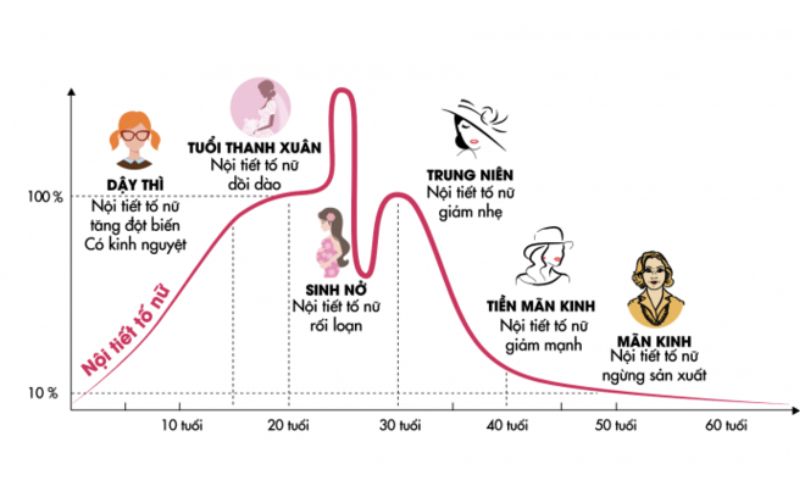
The average age at which women enter postmenopause is typically around 52, but it may occur earlier or later depending on individual factors and lifestyle. Some women feel more comfortable after menopause, while others still notice mild changes that may persist for several years before the body truly stabilizes.
How long does postmenopause last?
Unlike perimenopause or menopause, which occur over a specific period, postmenopause lasts for the remainder of a woman’s life.
During this stage, women can no longer become pregnant, and most uncomfortable menopausal symptoms such as hot flashes or night sweats often gradually decrease or disappear completely as the body becomes accustomed to hormonal changes.
However, because estrogen levels fall to a low level, bone density may gradually decrease, increasing the risk of osteoporosis over time. Estrogen is an important hormone that helps maintain strong bone structure and hormonal balance, so this decline should be addressed appropriately to protect overall health.
Postmenopausal symptoms and common changes
Below are postmenopausal symptoms that women may notice:
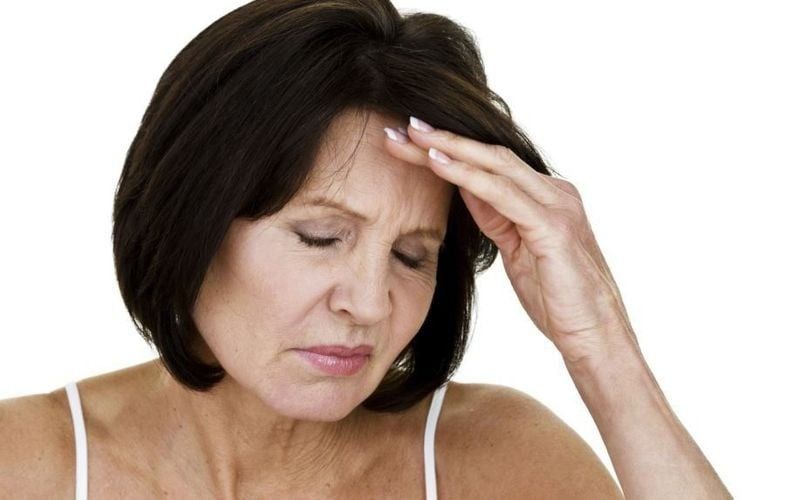
- Hot flashes and night sweats: a sensation of heat spreading throughout the body, sometimes accompanied by a rapid heartbeat or excessive sweating.
- Vaginal dryness and discomfort: due to thinner mucosa and reduced elasticity, making women more prone to dryness and mild pain during intercourse.
- Sleep disturbances: insomnia, waking up during the night, or non-restorative sleep are common.
- Emotional and mood changes: increased sensitivity, anxiety, or feeling tired and lacking energy.
- Changes in skin and hair: drier skin with reduced elasticity, weaker hair and increased hair shedding.
- Changes in weight and body shape: the body may store fat more easily, especially around the abdomen and hips.
- Changes in libido and intimacy: some women experience decreased interest, while others feel more comfortable as the body becomes more balanced.
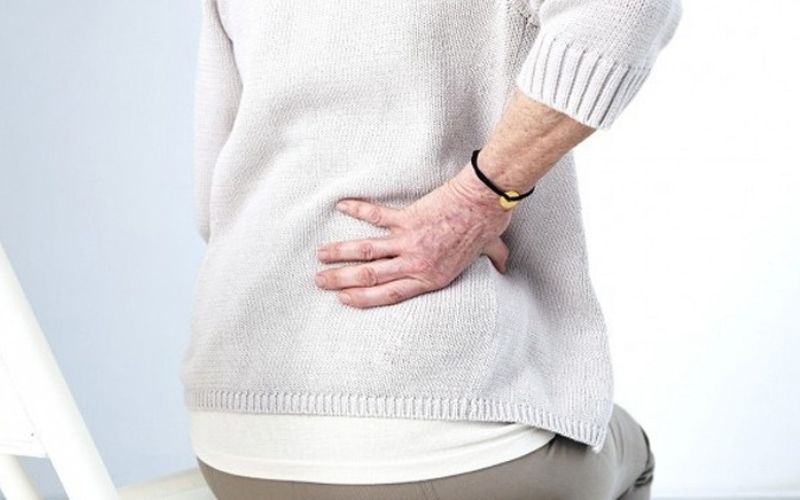
- A mild decline in bone health: reduced estrogen causes bone density to gradually decrease, making bones weaker and more prone to aches and pains.
If these signs persist or cause inconvenience, you should consult a specialist for appropriate care guidance. Every body is different, so understanding yourself is an important way to adapt better and maintain a healthy, comfortable life during postmenopause.
Potential health complications during postmenopause and prevention
As women transition into postmenopause, the body no longer produces as much estrogen as before. Because of this change, certain health issues may become more noticeable, requiring appropriate attention and care.
Osteoporosis
After menopause, bone density tends to decline more rapidly due to reduced estrogen levels in the body. On average, women may lose 1–2% of bone density per year, equivalent to 25% or more during the first few years after menopause. As bones weaken, the risk of fractures or osteoporosis increases.
To maintain strong bones, women should increase calcium intake through foods such as yogurt, cheese, leafy greens, or calcium-fortified grains. Vitamin D supplementation is also important, as it helps the body absorb calcium more effectively. In addition, gentle physical activity helps strengthen muscles and improve the flexibility of bones and joints.
Cardiovascular health
Before menopause, natural estrogen helps protect the heart and blood vessels from damage. When this hormone declines, the risk of high blood pressure, lipid disorders, or cardiovascular disease tends to increase. In addition, many women are less physically active during this stage, making elevated cholesterol more likely.
To minimize risk, maintain a healthy diet and limit saturated fat, salt, and sugar. Maintaining a healthy weight and avoiding tobacco are also important factors in protecting heart health.
Changes in the intimate area and urinary tract
Reduced estrogen causes tissues in the intimate area to become thinner, drier, and less elastic, leading to dryness or discomfort, especially during intercourse. This is a normal physiological change, but if it persists, it may affect confidence and marital relationships. Some women may also notice weaker pelvic floor muscles, resulting in mild urinary incontinence or reduced control.
To improve this, drink enough water, maintain gentle hygiene with mild cleansers, and keep up daily Kegel exercises to strengthen the pelvic floor muscles and support better urinary control.
Mental and emotional health
In addition to physical changes, many women in postmenopause also experience psychological fluctuations. Hormonal changes, combined with life stressors or feelings of nostalgia for youth, may lead to anxiety, low mood, or reduced interest in everyday activities. Taking time for yoga, meditation, or simply reading a favorite book can help restore emotional balance.
>> Read more: What is menopause? Signs to recognize and how to care during this stage
When to see a doctor and what to keep in mind during postmenopause
Most postmenopausal symptoms gradually stabilize over time. However, you should consult a doctor or women’s health specialist if:
- Hot flashes, insomnia, or vaginal dryness persist and significantly affect daily activities.
- You feel fatigued, experience frequent mood changes, or have prolonged low mood.
- You experience abnormal vaginal bleeding after menopause.
- You have urinary control issues or pain during intercourse.
- You have a history of cardiovascular disease, osteoporosis, or other chronic conditions that require regular monitoring.
During postmenopause, women should maintain routine health check-ups such as gynecological exams, mammography, or bone density testing to monitor overall health. This not only helps detect changes early but also provides greater reassurance for long-term well-being.
At the same time, maintain a healthy daily routine:
- Eat more leafy greens, fruits, and calcium-rich foods.
- Drink enough water every day to help the body and skin stay refreshed.
- Maintain gentle physical activity such as walking, yoga, swimming, or meditation.
- Make time for yourself to rest, enjoy life, and maintain an optimistic mindset.

Conclusion
Based on the information above, postmenopause is an inevitable stage in a woman’s life, marking the body’s transition after the reproductive years. Although hormonal changes, reduced skin elasticity, or occasional mood fluctuations may occur, these are natural processes that each person can learn to adapt to gently and positively. A healthy diet, regular physical activity, adequate sleep, and emotional well-being can help maintain balance and support better overall health.
To learn more about intimate area care and recovery, readers may refer to in-depth articles in the Intimate Health category to stay updated with accurate and useful medical information.
CONTACT INFORMATION
Hotline: 0911413443
Website: https://trehoaamdao.vn/
View the actual video here: HERE
Actual images here: Images
Address: Edopi Healthcare – No. 2, Noi Khu My Toan 2, Tan Hung Ward, Ho Chi Minh City.
References:
my.clevelandclinic.org. 2025. Postmenopause: Signs, Symptoms & What To Expect. [ONLINE] Available at: https://my.clevelandclinic.org/health/diseases/21837-postmenopause.