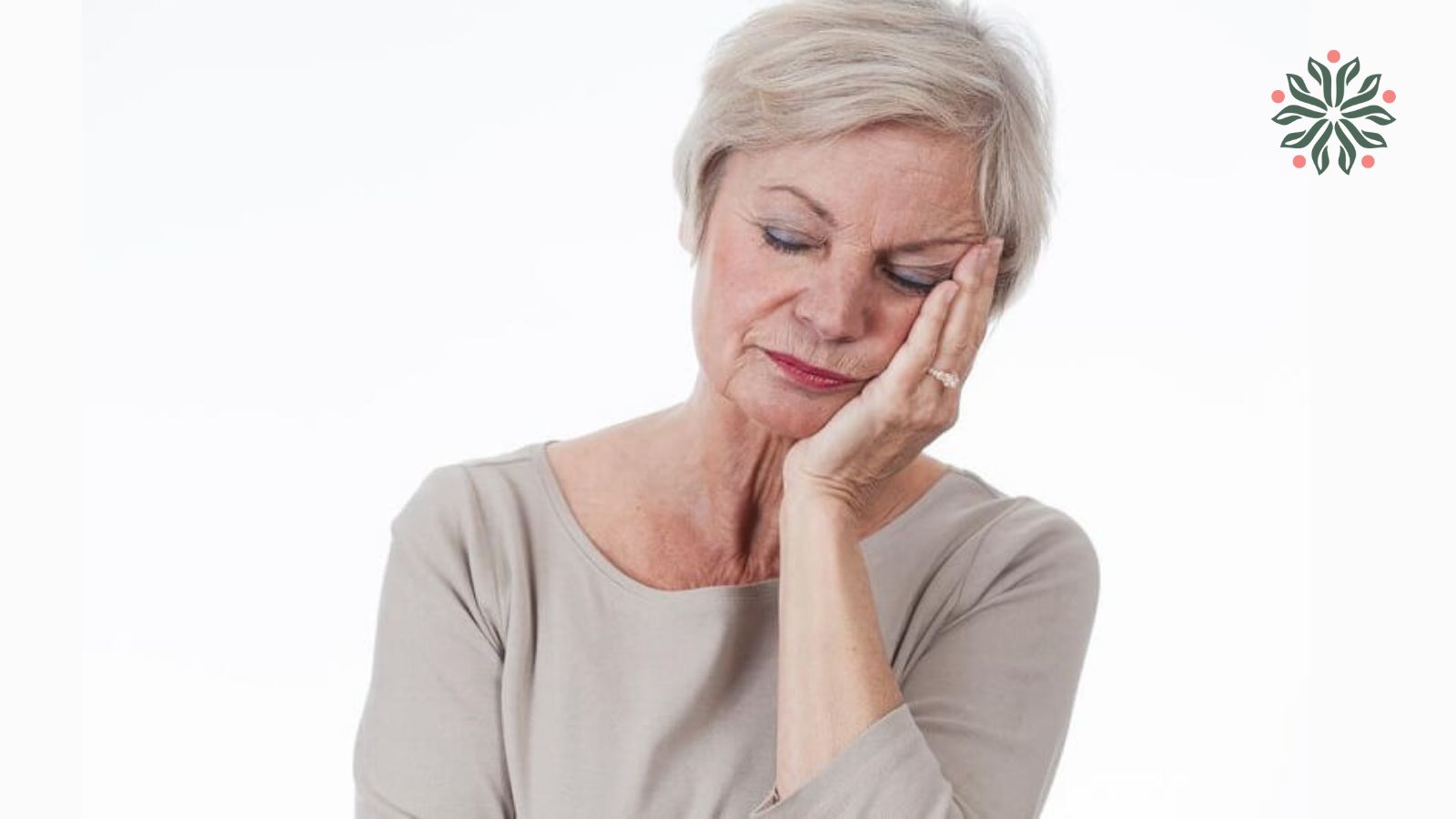
During perimenopause, a woman’s body begins transitioning toward the end of reproductive capacity, a natural process accompanied by many physical, psychological, and emotional changes. These changes may cause fatigue, insomnia, irritability, or reduced sexual health if not managed appropriately. Together with Edopi Clinic, let’s explore the causes, signs, and evidence-based care approaches to help balance hormones, maintain hormonal balance, beauty, and midlife confidence.
Perimenopause: What is it?
Perimenopause, also known as the transitional phase before menopause, is the time when a woman’s body begins to experience significant hormonal fluctuations, causing menstrual cycles to become irregular and leading to many physical and psychological changes. This stage may begin as early as the mid-30s or as late as the mid-50s, depending on individual factors, lifestyle, and overall health status.

Many women may not recognize these changes or may consider them a normal part of aging. However, if not identified and managed properly, hormonal imbalance may accelerate aging, increase the risk of osteoporosis, vaginal atrophy, decreased libido, and persistent sleep disturbances. Understanding this stage is an important step toward proactive self-care and maintaining natural hormonal balance.
How do you know if you are in perimenopause?
Below are common signs of perimenopause that may help you recognize that you are in this stage:
- Hot flashes and night sweats: Hot flashes often occur suddenly, spreading across the face, neck, and chest, accompanied by a burning sensation and sweating.
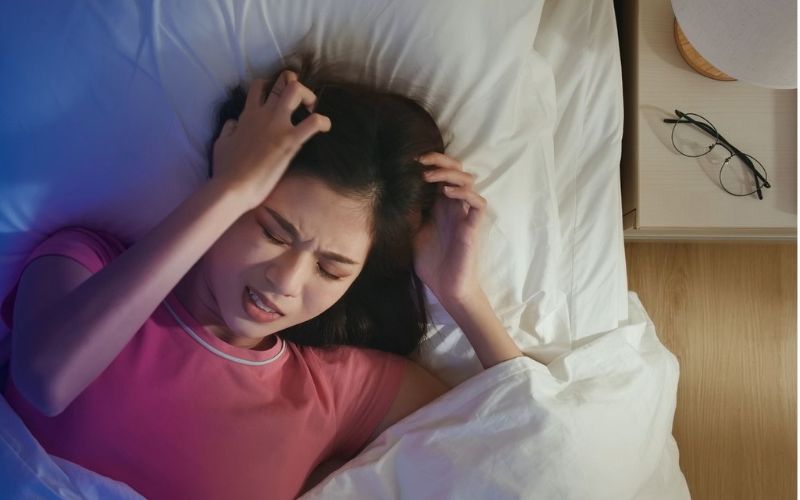
- Mood changes and sleep disturbances: Many women become more sensitive, anxious, or sad without a clear reason. Insomnia, difficulty falling asleep, or waking up during the night are common, as hormonal fluctuations affect the central nervous system.
- Vaginal dryness and burning and decreased libido: As estrogen levels decline, the vaginal mucosa becomes thinner and drier, reducing natural moisture. This can cause discomfort, burning or pain during intercourse, and a significant decrease in sexual desire.
- Irregular menstrual cycles: This is the earliest and most typical sign. Cycles may be shorter or longer than usual, and menstrual flow may vary unpredictably—lighter in some months and prolonged in others. Some women may also experience prolonged menstrual bleeding or temporarily missed periods for several months.
- Changes in the body and skin: Hormonal imbalance reduces collagen and skin moisture, making the skin drier, duller, and less elastic. Many women notice increased hair shedding and weight gain, especially around the abdomen.

Because some of the signs above may be similar to other hormonal disorders, if these symptoms persist and affect sleep, mood, or marital life, you should discuss them with a specialist for an accurate diagnosis and appropriate treatment guidance.
>> Read more: What is vaginal dryness? Causes, signs, and effective solutions
Main causes of perimenopause
Perimenopause is not a disease, but a natural physiological stage as ovarian function gradually declines over time. At this point, the body begins producing less estrogen and progesterone, two key hormones involved in regulating the menstrual cycle and supporting sexual health, skin health, and emotional well-being.
When these hormone levels decrease unpredictably, ovulation becomes irregular, leading to irregular menstrual cycles along with a range of other changes such as hot flashes, vaginal dryness, insomnia, irritability, or mood changes.
This indicates that the body is entering a hormonal transition, which requires proper attention and care to prevent disturbances that can affect health and quality of life.
Factors that increase the risk of early perimenopause
In some women, this process may occur earlier than normal, leaving the body and mind with less time to adapt. Below are factors that may increase the likelihood of early perimenopause:
1. Smoking
Many studies show that women who smoke may enter menopause 1–2 years earlier than non-smokers. Nicotine and other harmful chemicals in cigarettes can damage ovarian cells and reduce estrogen and progesterone production, thereby accelerating reproductive aging.
2. Family history
If your mother or sister experienced early menopause (before age 45), you may also be more likely to experience a similar pattern. This suggests that ovarian function and ovarian reserve may be influenced by genetic factors, causing hormone decline to occur faster than usual.
3. Cancer treatment
Chemotherapy or pelvic radiation therapy can damage ovarian tissue and may cause the ovaries to stop functioning earlier. Depending on dosage and duration of treatment, this may lead to early menopause or secondary infertility.
4. Pelvic surgery or hysterectomy
Women who have had a hysterectomy but still have their ovaries often do not stop menstruating immediately, but reduced blood flow to the ovaries may cause them to stop functioning earlier than normal. Similarly, removal of one ovary (due to cysts or severe infection) also reduces ovarian reserve, leading to an earlier onset of perimenopause.
5. Poor lifestyle and nutrition
An unbalanced diet, lack of sleep, or low physical activity can weaken the body and disrupt hormonal balance. Prolonged stress or sudden weight loss may also affect ovarian function, causing perimenopause to occur earlier.
How to manage and reduce perimenopausal symptoms at home
Women can reduce these symptoms by adjusting daily habits without using medication:

- Increase intake of leafy greens, fresh fruits, whole grains, and lean protein (such as fish, eggs, and soybeans).
- Increase healthy fats from avocados, chia seeds, salmon, or olive oil to support hormonal stability and cardiovascular health.
- Limit refined sugar, processed foods, fried foods, and carbonated soft drinks.
- Maintain a stable weight, as obesity increases the risk of hormonal disorders and hot flashes.
- Engage regularly in walking, swimming, or yoga to support weight control, maintain bone density, and reduce the risk of osteoporosis after menopause.
- Keep the bedroom cool, and use a fan or air conditioner if night sweats occur.
- Practice meditation, deep breathing, or gentle relaxation exercises to reduce anxiety and stress.
- Limit phone and computer use for at least 30 minutes before bedtime.
- Avoid alcohol, coffee, or caffeinated beverages in the evening.
- Quit smoking, as nicotine may cause menopause to occur earlier and worsen vaginal dryness.
Frequently asked questions
1. How long does perimenopause last?
On average, perimenopause lasts about 4 years, but in some women it may last up to 8 years depending on individual factors and lifestyle. Some women experience this stage for only a few months, while others may go through this transitional phase for many years.
2. Can perimenopause be treated?
There is no way to completely prevent perimenopause, as it is a natural stage in a woman’s life. However, uncomfortable symptoms can be managed and reduced with appropriate medical measures, helping the body adapt better to hormonal changes. A doctor may recommend the following medications:
- Antidepressants
- Oral contraceptives
- Hormone replacement therapy (HRT)
- The antiseizure medication gabapentin (Neurontin®)
- The overactive bladder medication oxybutynin
- Vaginal creams,…
3. Possible complications of perimenopause syndrome
Irregular menstrual cycles are common during perimenopause. However, if bleeding is heavy, prolonged, or abnormal, it may be an early warning sign of other issues. You should see a specialist if you experience any of the following:
- Bleeding with large blood clots or bleeding that lasts many days.
- Heavy menstrual bleeding or periods that last longer than usual.
- Bleeding between periods
- Vaginal bleeding after sexual intercourse.
- More frequent menstrual cycles, occurring less than 21 days apart.
4. Can women become pregnant during perimenopause?
Yes, women can still become pregnant during perimenopause. Although fertility declines due to unstable ovarian function, ovulation may still occur as long as menstruation has not stopped completely. If you are not planning to have a child, continue using safe contraception until a doctor confirms that you have officially reached menopause.
CONCLUSION
Perimenopause is a stage that every woman will experience in life. Understanding bodily changes and seeking timely evaluation can help women take better care of their health, maintain balance, and reduce uncomfortable symptoms during this period in a gentler way. If you are concerned about your condition, consult a doctor for specific guidance.
CONTACT INFORMATION
Hotline: 0911413443
Website: https://trehoaamdao.vn/
View the actual video here: HERE
Actual images here: Images
Address: Edopi Healthcare – No. 2, Noi Khu My Toan 2, Tan Hung Ward, Ho Chi Minh City.
References:
my.clevelandclinic.org. 2025. Perimenopause: Age, Stages, Signs, Symptoms & Treatment. [ONLINE] Available at: https://my.clevelandclinic.org/health/diseases/21608-perimenopause.