
Labia minora labiaplasty
What is Labia minora labiaplasty?
Labia minora labiaplasty is a minor surgical procedure that completely removes excess and aged tissue while maintaining the essential protective role of the labia minora for the urethral opening and the vagina.
Aesthetic assessment of the labia minora
- Aesthetic assessment of the labia minora
- Bilateral symmetry
- Associated conditions of the vaginal vestibule, clitoris, and perineum
In cases of vaginitis: Tran Phuong Nga, MD, MSc., will directly provide medical (non-surgical) treatment, using oral medications, cleansing solutions, or vaginal suppositories according to the specific inflammatory condition of each individual.
The clinic offers one COMPLIMENTARY session of laser intimate hair removal for clients undergoing labia minora labiaplasty.
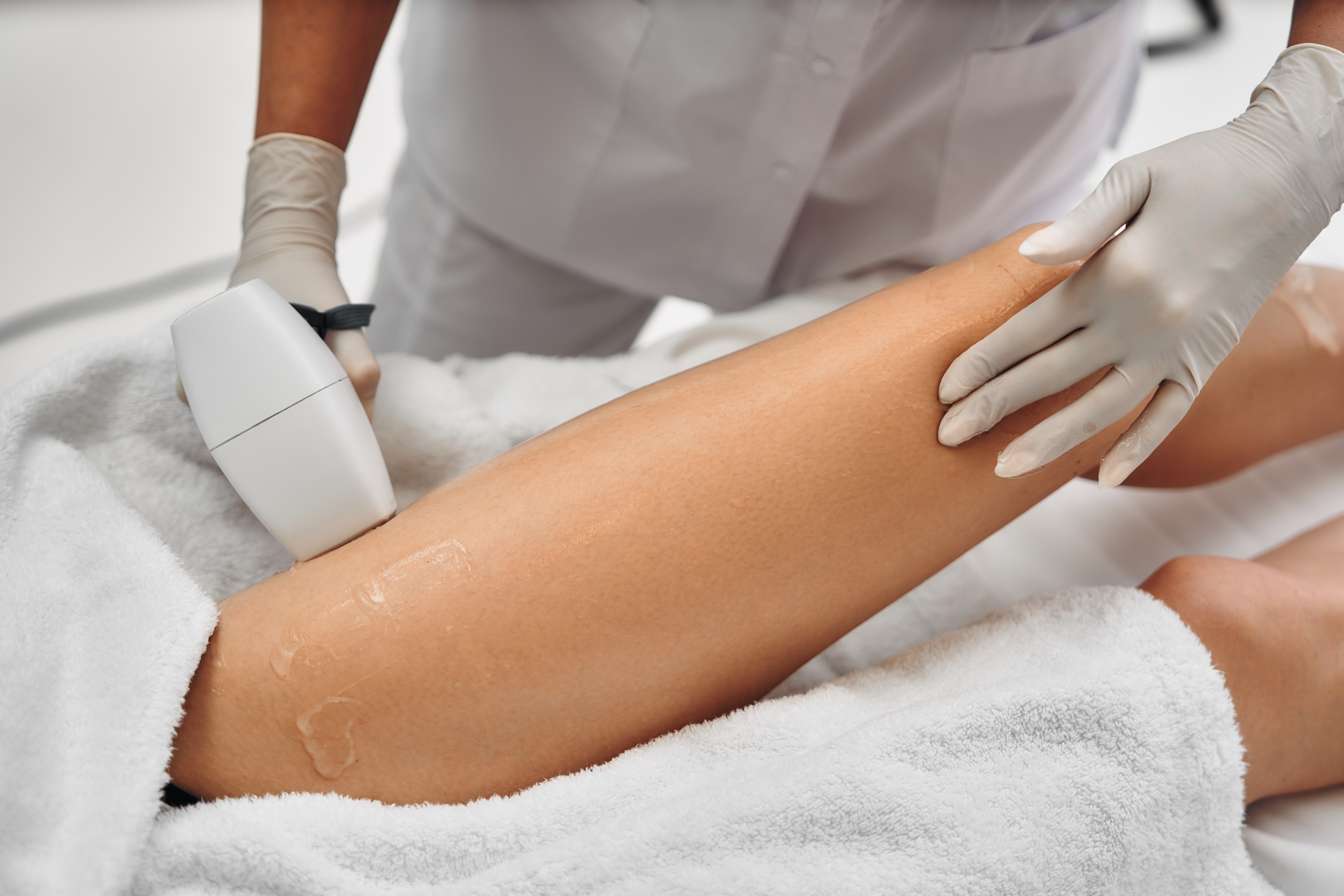
Complimentary laser hair removal
Patients receive complimentary intimate hair removal at Edopi Clinic using cold laser technology prior to the reconstructive procedure. This helps reduce the risk of infection; a clean surgical field allows the surgeon to operate more precisely and facilitates postoperative care.
Labia minora labiaplasty with MINIMAL DISCOMFORT. The procedure takes 15 to 20 minutes. Patients may resume sexual activity normally after approximately 2 to 3 weeks.
Labia minora labiaplasty procedure
Step 1: Gynecological examination
- Medical history: Age, marital status, number of childbirths, menstrual cycle, history of gynecological conditions, and systemic medical conditions.
- Abnormal symptoms within the past 1 month: Abnormal vaginal discharge (color, odor, presence of blood), lower abdominal pain, menstrual irregularities, menstrual cramps, itching and burning, abnormal bleeding, and burning pain during intercourse.
- Sexual history: Duration and frequency of sexual activity, use of contraceptive methods, sensation during intercourse (looseness, decreased or loss of sensation), use of contraceptive medications, and history of obstetric and gynecological surgeries.
- Stress urinary incontinence or urinary incontinence.
- Previous invasive or non-invasive vaginal rejuvenation procedures.

Step 2: Ultrasound examination to assess uterine health
* Uterus: Detection of uterine fibroids, polyps, endometrial thickening, and uterine anomalies.
* Ovaries: Functional ovarian cysts, ovarian tumors, and polycystic ovaries.
* Fallopian tubes and adnexa: Inflammation and fluid accumulation.
* Endometrium: Thickness and developmental status (important in infertility and subfertility evaluation).
* Early pregnancy: Early detection of intrauterine or ectopic pregnancy (as early as 4–5 weeks).
* Ovulation monitoring: For fertility support and assisted reproduction.
Step 3: Complimentary hair removal
Patients receive complimentary intimate hair removal at the clinic using cold laser technology prior to the reconstructive procedure. A clean intimate area helps reduce the risk of infection, allows the surgeon to perform the procedure more accurately, and facilitates postoperative care.
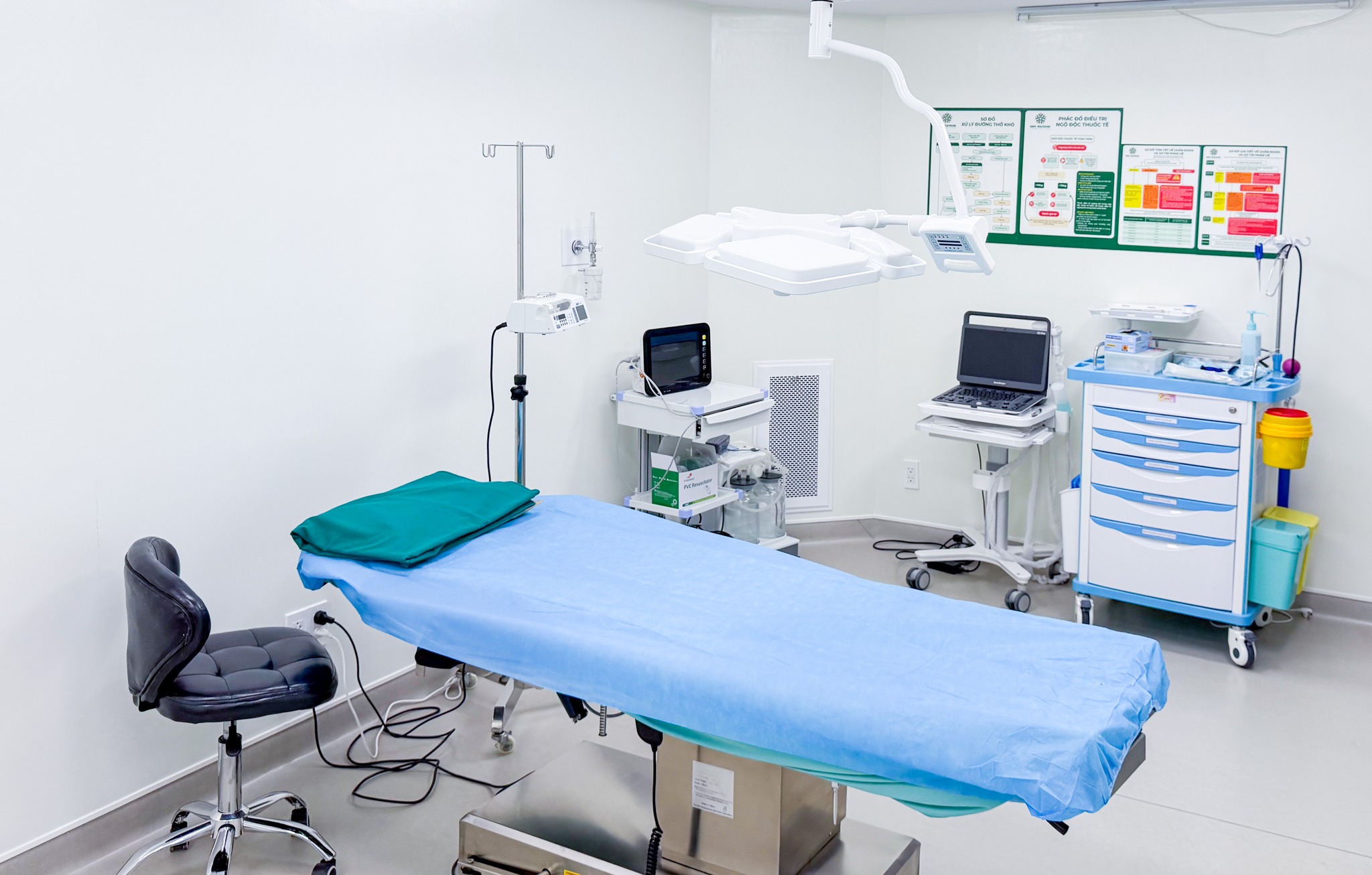
Step 4: Labia minora labiaplasty procedure
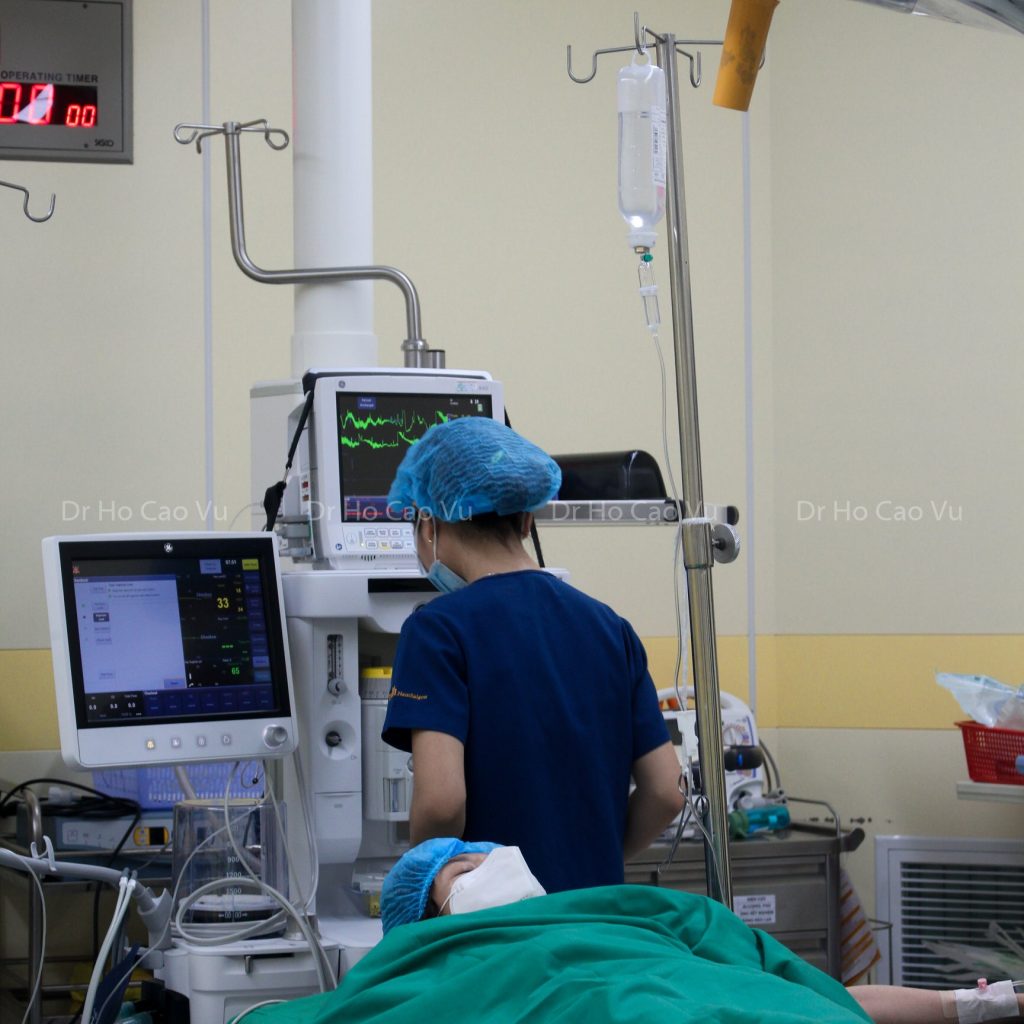
The labia minora labiaplasty procedure is performed at Nam Sai Gon International General Hospital, directly by Ho Cao Vu, MD, MSc. Patients undergo the hospital’s pre-anesthesia testing protocol. Cases involving medical conditions such as coagulation disorders, uncontrolled diabetes, or immunodeficiency are not eligible for the procedure.
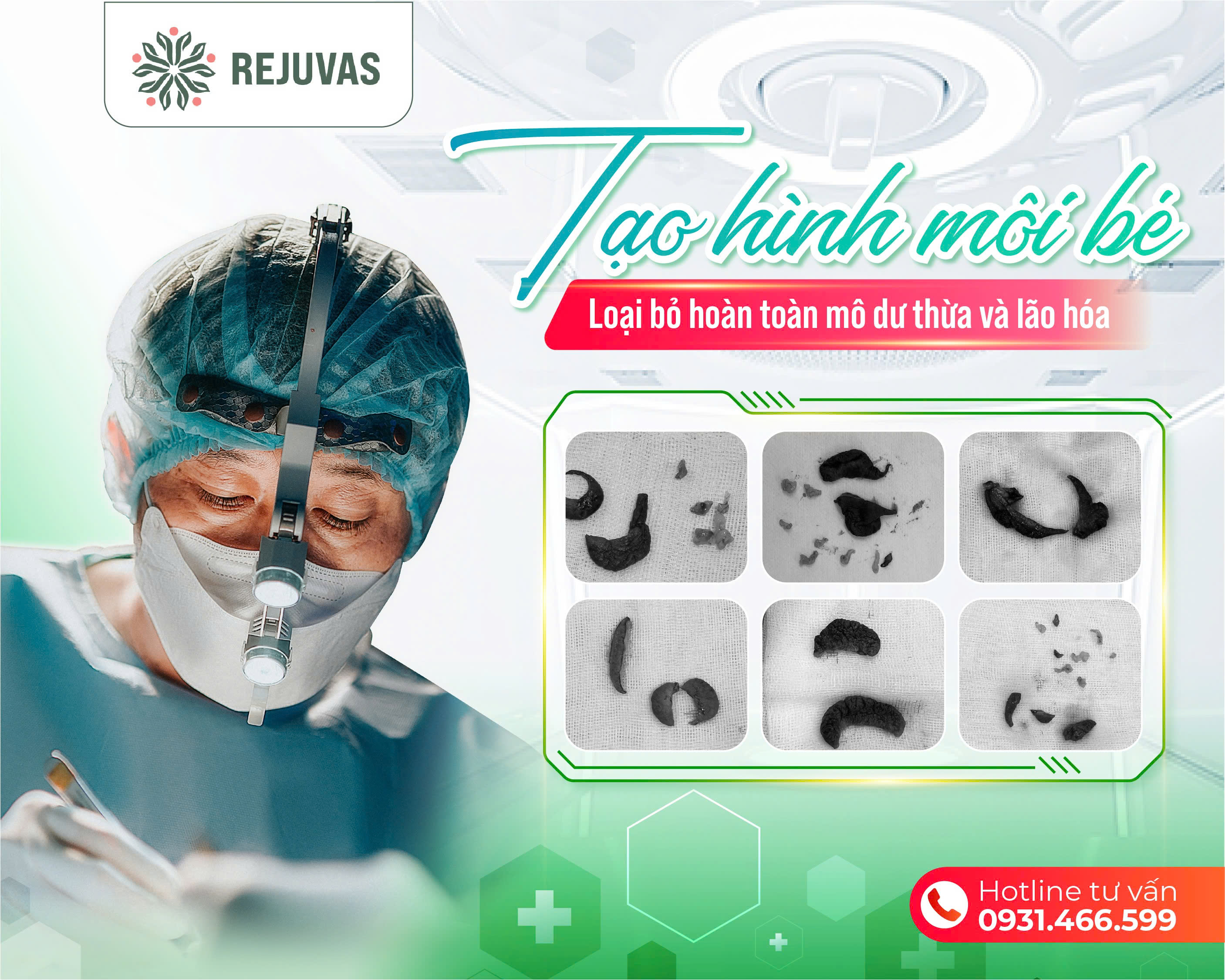
Local anesthesia or laryngeal mask anesthesia is used for patients with significant anxiety. After excision of the aged labial tissue, the surgeon performs reconstructive suturing using absorbable sutures. Patients are discharged immediately after the minor surgical procedure, with no hospitalization required.
Step 5: Home care
– In the days following surgery, proper hygiene should be maintained to reduce the risk of infection at the surgical site.
– Take oral medications as prescribed by the surgeon.
– Clean the intimate area daily using 10% povidone-iodine solution or obstetric povidone-iodine (repeat cleansing after each bowel movement or urination), according to nursing instructions.
– Follow-up visits are scheduled at 1 week, 2 weeks, 3 weeks, and 4 weeks postoperatively. The surgeon directly assesses wound healing progress.
Step 6: Postoperative precautions after labia minora labiaplasty
– Avoid activities that place strain on the perineal area, such as running, jumping, exercise, or swimming, during the first 2–4 weeks after surgery.
– Avoid contact with water for approximately 72 hours following the procedure.
– Abstain from sexual intercourse for 3–4 weeks after labia minora reduction.
– Avoid wearing overly tight underwear.
– Do not use sanitary pads, as they may cause excessive moisture; instead, use sterile gauze for the first 7–10 days after surgery.
Common complications of labia minora labiaplasty
Excessive excision of the labia minora may impair their protective function for the vaginal opening and the urethral meatus. As a result, patients may develop symptoms such as vaginal vestibular dryness, recurrent infections, pain during sexual intercourse (dyspareunia), and reduced sexual pleasure.
Early complications of labia minora labiaplasty commonly include bleeding and hematoma, typically occurring within the first 24 to 72 hours after surgery. Signs of infection such as swelling, erythema, discharge, pain, and fever may also occur, and patients should seek immediate evaluation at a hospital when these symptoms appear. In some cases, improper counseling at non-medical facilities may lead to over-resection of the labia minora, which compromises their protective role for the vaginal opening and urethral meatus. Overly aggressive excision can result in vaginal vestibular dryness, recurrent infections, pain during intercourse, and impaired sexual pleasure.

Causes of labia minora aging
The labia minora may change over time due to various physiological factors and lifestyle habits. These are common causes that lead to the intimate area no longer maintaining its previous firmness and elasticity.
1. Hormonal changes with aging: When estrogen levels decline, especially during perimenopause and menopause, the tissues of the labia minora gradually become thinner, drier, and less elastic. As a result, the intimate area becomes less supple and may show signs of mild flattening or wrinkling.
2. Postpartum changes and weight fluctuation: During pregnancy and after childbirth, adipose tissue and skin in the labia majora may become stretched or lose volume. Rapid weight loss can further cause this area to appear deflated and lose its previous fullness and symmetry
3. Skin and soft tissue aging: Over time, collagen and elastin levels in the body gradually decrease. As a result, the tissues of the labia minora become less firm, leading to noticeable changes in the appearance of the intimate area.
4. Inappropriate lifestyle habits: Frequent wearing of tight clothing, use of harsh cleansing products, or improper intimate hygiene can cause dryness and irritation of the skin in this area. When prolonged, the soft tissues become less smooth and more sensitive.
5. Certain gynecological and dermatological conditions: Chronic gynecological inflammation or dermatological conditions affecting the intimate area may also alter skin structure, causing the labia minora to become thinner and lose elasticity.
Timing of sexual intercourse after labia minora labiaplasty
The recommended time to resume sexual intercourse after surgery is approximately 2 to 3 weeks, once both internal and external wounds have healed. Because the intimate area is naturally moist, proper hygiene and keeping the area clean and dry are essential to support optimal wound healing.

Common complications of intimate aesthetic procedures
The aesthetic outcomes of intimate reconstructive surgery depend on the surgeon’s experience and the techniques selected. Successful procedures may help women regain confidence, sexual desire, and improve psychological well-being. However, the intimate area contains a dense network of nerves and blood vessels responsible for sexual sensation. Therefore, many cases of postoperative complications have been reported, affecting both physical health and psychological well-being.
Ho Cao Vu, MD, MSc., specializes in the correction of complications related to intimate aesthetic procedures for patients who have previously undergone surgery but did not achieve the expected outcomes. He advises women to carefully choose experienced surgeons and reputable hospitals when undergoing vaginal aesthetic procedures.
* Infection: Most postoperative infections occur between day 3 and day 7 after surgery, although some cases may be detected later. Symptoms of infection that patients may notice include loss of appetite, altered taste, fever, persistent pain, redness, or swelling of the intimate area. According to Ho Cao Vu, MD, MSc., when these symptoms appear, patients should seek early evaluation by a specialist. If antibiotic therapy fails to control the infection, the patient may require repeat surgery to perform surgical debridement of infected tissue.
* Bleeding or hematoma at the surgical site.
* Severe postoperative pain.
* Suture dehiscence: Because the vaginal area is naturally moist, improper suturing technique or incorrect tissue-layer closure may lead to suture dehiscence.
* Urinary incontinence.
* Persistent pain during sexual intercourse.
* Vaginal dryness: Excessive excision of the labia minora may result in loss of protective coverage of the vaginal opening, leading to complications such as vaginal dryness, irritation, and increased susceptibility to infection.
* Loss of sensation during intercourse.
* Inflammation or infection associated with itching, foul odor, and pain during intercourse.
* Unfavorable scarring.
* Urethral injury.
* Psychological impact: Many patients who do not achieve the expected outcomes after intimate aesthetic procedures may experience shame, loss of confidence, fear of sexual activity, and negative effects on their intimate life.
* Rectal perforation; rectovaginal fistula.
Causes of labia minora aging
The labia minora may change over time due to various physiological factors and lifestyle habits. These are common causes that lead to the intimate area no longer maintaining its previous firmness and elasticity.
1. Hormonal changes with aging: When estrogen levels decline, especially during perimenopause and menopause, the tissues of the labia minora gradually become thinner, drier, and less elastic. As a result, the intimate area becomes less supple and may show signs of mild flattening or wrinkling.
2. Postpartum changes and weight fluctuation: During pregnancy and after childbirth, adipose tissue and skin in the labia majora may become stretched or lose volume. Rapid weight loss can further cause this area to appear deflated and lose its previous fullness and symmetry
3. Skin and soft tissue aging: Over time, collagen and elastin levels in the body gradually decrease. As a result, the tissues of the labia minora become less firm, leading to noticeable changes in the appearance of the intimate area.
4. Inappropriate lifestyle habits: Frequent wearing of tight clothing, use of harsh cleansing products, or improper intimate hygiene can cause dryness and irritation of the skin in this area. When prolonged, the soft tissues become less smooth and more sensitive.
5. Certain gynecological and dermatological conditions: Chronic gynecological inflammation or dermatological conditions affecting the intimate area may also alter skin structure, causing the labia minora to become thinner and lose elasticity.
Timing of sexual intercourse after labia minora labiaplasty
The recommended time to resume sexual intercourse after surgery is approximately 2 to 3 weeks, once both internal and external wounds have healed. Because the intimate area is naturally moist, proper hygiene and keeping the area clean and dry are essential to support optimal wound healing.
Common complications of intimate aesthetic procedures
The aesthetic outcomes of intimate reconstructive surgery depend on the surgeon’s experience and the techniques selected. Successful procedures may help women regain confidence, sexual desire, and improve psychological well-being. However, the intimate area contains a dense network of nerves and blood vessels responsible for sexual sensation. Therefore, many cases of postoperative complications have been reported, affecting both physical health and psychological well-being.
Ho Cao Vu, MD, MSc., specializes in the correction of complications related to intimate aesthetic procedures for patients who have previously undergone surgery but did not achieve the expected outcomes. He advises women to carefully choose experienced surgeons and reputable hospitals when undergoing vaginal aesthetic procedures.
* Infection: Most postoperative infections occur between day 3 and day 7 after surgery, although some cases may be detected later. Symptoms of infection that patients may notice include loss of appetite, altered taste, fever, persistent pain, redness, or swelling of the intimate area. According to Ho Cao Vu, MD, MSc., when these symptoms appear, patients should seek early evaluation by a specialist. If antibiotic therapy fails to control the infection, the patient may require repeat surgery to perform surgical debridement of infected tissue.
* Bleeding or hematoma at the surgical site.
* Severe postoperative pain.
* Suture dehiscence: Because the vaginal area is naturally moist, improper suturing technique or incorrect tissue-layer closure may lead to suture dehiscence.
* Urinary incontinence.
* Persistent pain during sexual intercourse.
* Vaginal dryness: Excessive excision of the labia minora may result in loss of protective coverage of the vaginal opening, leading to complications such as vaginal dryness, irritation, and increased susceptibility to infection.
* Loss of sensation during intercourse.
* Inflammation or infection associated with itching, foul odor, and pain during intercourse.
* Unfavorable scarring.
* Urethral injury.
* Psychological impact: Many patients who do not achieve the expected outcomes after intimate aesthetic procedures may experience shame, loss of confidence, fear of sexual activity, and negative effects on their intimate life.
* Rectal perforation; rectovaginal fistula.


