Menopause is a natural part of the aging process and marks the end of a woman’s reproductive years. However, for many women, this stage is accompanied by significant physical changes and heightened emotional sensitivity. Together with Edopi Clinic, let’s take a closer look at what menopause is, how to recognize its signs, and how to care for the body to maintain overall health through the article below.
What is the menopausal stage?
Menopause is defined as a milestone reached when a woman has experienced 12 consecutive months without menstruation. This occurs due to a decline in ovarian function, as the ovaries stop producing estrogen and progesterone—two key hormones that regulate the menstrual cycle, reproductive capacity, and influence the skin, sleep, and emotional well-being. As these hormone levels gradually decrease, the body enters a new state of balance, marking the end of the reproductive years.
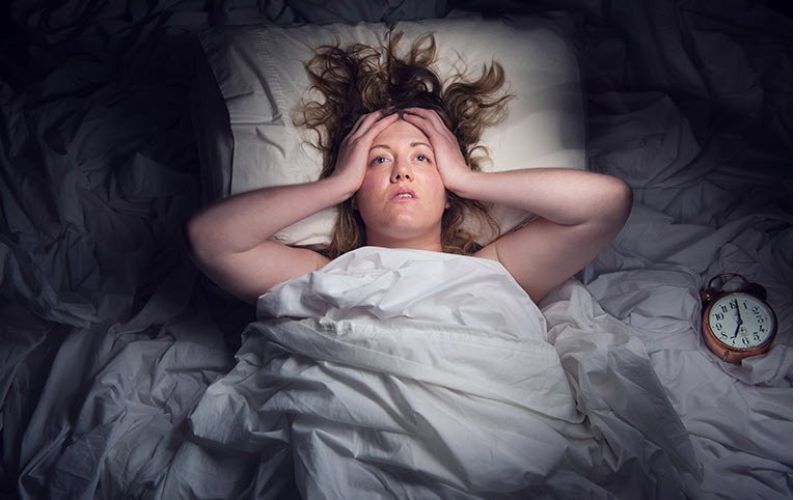
Menopause is not a disease but an inevitable transition. However, hormonal changes can cause many women to experience symptoms such as hot flashes, insomnia, vaginal dryness and burning, mood changes, or weight gain. These are natural responses of the body as it adapts to hormonal fluctuations and can be effectively managed with appropriate care. These are natural responses of the body as it adapts to hormonal fluctuations and can be effectively managed with appropriate care.
According to studies conducted in the United States, menopause typically occurs at an average age of around 52 years, although the transitional phase leading up to menopause may begin earlier, often in the mid-40s. Understanding what menopause is allows women to take a more proactive approach to managing hormonal health, mental well-being, and sexual health, thereby maintaining confidence, vitality, and a high quality of life during this stage.
Why does menopause occur?
After understanding what menopause is, many women also wonder why this stage occurs. Below are the most common causes that help explain this natural transition of the body.

1. Age
When women move past their 30s, ovarian activity begins to slow down, and levels of estrogen and progesterone gradually decline. By the 40s, menstrual cycles may become irregular, with periods arriving earlier or later than usual and menstrual flow varying from lighter to heavier. Around the ages of 50–51, the ovaries stop releasing eggs completely, and menstruation comes to an end.
2. Surgical removal of the ovaries or uterus
Some women may enter menopause earlier due to surgery. If only the uterus is removed while the ovaries remain functional, the body continues to produce female hormones, meaning menopause has not truly occurred.
In contrast, when both ovaries are removed, hormone production stops immediately. In this case, menopause occurs earlier than normal, and symptoms such as hot flashes, insomnia, vaginal dryness and burning, or emotional changes may appear more prominently.
3. Effects of chemotherapy or radiation therapy
Cancer treatments such as chemotherapy or radiation therapy can directly affect the ovaries, disrupting or completely stopping hormone production. Many women notice menopausal symptoms appearing shortly after treatment, even at a younger age. Depending on individual factors, this condition may be temporary or may lead to early menopause.
4. Premature ovarian insufficiency
Premature ovarian insufficiency occurs when the ovaries stop functioning before the age of 40. Possible causes include genetic factors, autoimmune conditions, or environmental influences. As a result, female hormone levels decline sharply, leading to irregular menstruation, reduced fertility, and the earlier onset of menopausal symptoms.
Signs of menopause
The signs of menopause may develop gradually and are not always immediately noticeable. As a result, many women do not realize that their bodies are slowly entering this stage. Below are the most common signs of menopause:
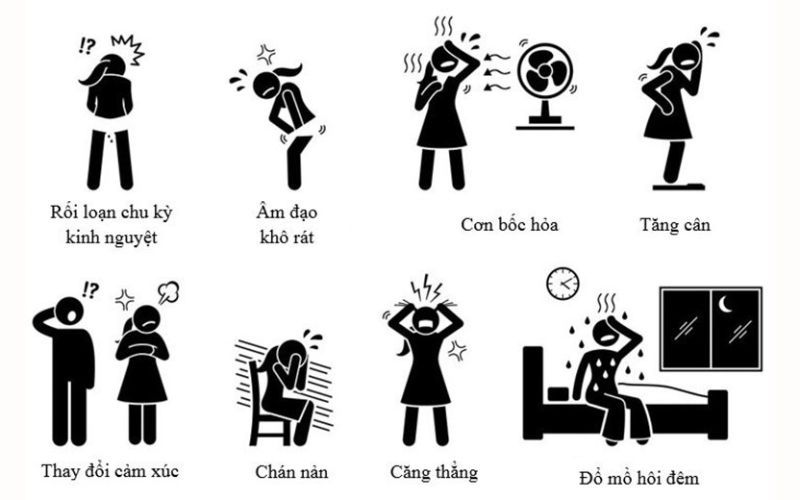
- Irregular menstrual periods: This is often the earliest and most noticeable sign. Menstrual cycles may become shorter or longer, with unusually light or heavy bleeding. In later stages, periods may become increasingly infrequent before stopping completely.
- Hot flashes and night sweats: About 70–80% of women experience hot flashes, characterized by sudden heat spreading from the chest to the neck and face, accompanied by flushing and a rapid heartbeat. Night sweats can disrupt sleep, leaving the body feeling tired and uncomfortable the following morning.
- Insomnia and difficulty sleeping: Hormonal fluctuations can affect sleep, making it difficult to fall asleep, causing shallow sleep, or leading to frequent awakenings during the night.
- Vaginal dryness and burning: During this stage, the vaginal mucosa becomes thinner and drier, causing discomfort during intercourse and reduced pleasure. As a result, many women become reluctant about intimacy, which can affect their psychological well-being and marital relationship.
- Emotional changes and irritability: Hormonal fluctuations may make women more emotionally sensitive, leading to anxiety, depression, or a loss of confidence.
Some women may also experience additional signs:
- Weight gain and changes in body shape: Estrogen plays a role in fat metabolism. When estrogen levels decline, fat tends to accumulate more easily around the abdomen, waist, and hips, leading to weight gain even when dietary habits have not changed significantly.
- Weaker skin, hair, and nails: Estrogen deficiency can cause dry skin with reduced elasticity, finer hair that breaks and sheds more easily, and more brittle nails. These changes are noticeable but often overlooked.
- Palpitations and easy fatigue: Some women may feel their heart beating more strongly or faster than usual, especially during periods of anxiety or stress. This is a result of hormonal changes affecting the cardiovascular system.
- Urinary changes: Reduced estrogen weakens the tissues around the urethra, leading to urinary incontinence when coughing, laughing, or sneezing, or difficulty holding urine. Some women may also experience recurrent urinary tract infections.
The severity and presentation of menopausal symptoms vary greatly from one woman to another. Some women clearly notice changes such as hot flashes, insomnia, or dryness, while others experience only mild and subtle changes.
Regardless of severity, if symptoms persist and cause fatigue or discomfort, it is advisable to seek medical evaluation for consultation and appropriate care to help restore balance and comfort to the body.
What are the stages of menopause?
If menopause does not occur as a result of medical intervention or surgery, this process typically develops gradually through three stages:
Stage 1: Perimenopause
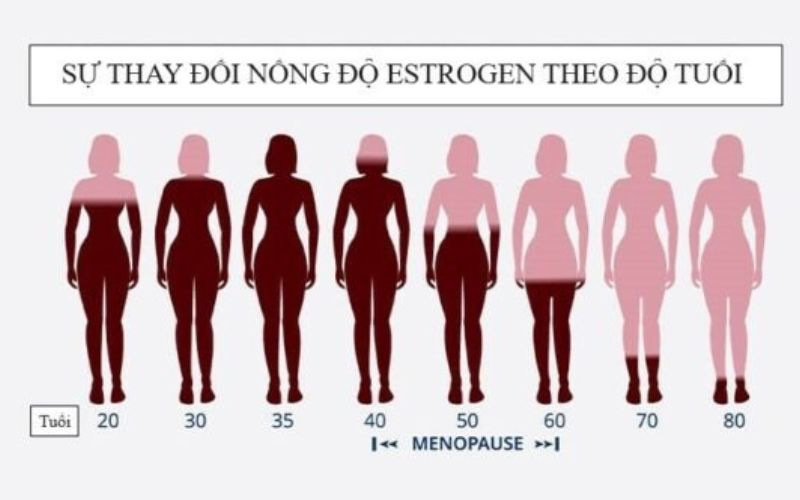
Perimenopause, also known as the transitional phase leading up to menopause, usually begins 8 to 10 years before menstruation stops completely, most commonly between the ages of 40 and 45.
During this stage, the ovaries begin to reduce estrogen production, causing menstrual cycles to become irregular. Periods may be shorter or longer than usual, or menstrual flow may be lighter than normal. Many women may start to notice symptoms such as hot flashes, night sweats, insomnia, mood fluctuations, or decreased libido.
Stage 2: Menopause
What is menopause? This is the point at which the body completely stops ovulating and menstruating. A diagnosis is made when a woman has gone 12 consecutive months without a menstrual period. At this time, estrogen levels decline significantly, leading to more noticeable changes such as vaginal dryness, sleep disturbances, emotional changes, dry skin, and an increased tendency to gain weight. Unlike the other stages, menopause itself is a clearly defined point in time rather than a prolonged phase.
Stage 3: Postmenopause
After menopause, women officially enter postmenopause, a stage that lasts for the remainder of life. Most menopausal symptoms tend to gradually lessen or disappear during this phase, although some mild symptoms may persist for several years. However, prolonged estrogen deficiency may increase the risk of osteoporosis, cardiovascular disease, vaginal atrophy, and loss of muscle mass.
This is an important time to maintain a healthy lifestyle, engage in regular physical activity, follow a balanced diet, and consider supportive hormonal therapies under a physician’s guidance, helping to maintain physical health and overall well-being.
Measures to prevent disturbances during menopause
Although menopause is unavoidable, understanding what menopause is and how the body changes allows women to prepare more proactively, minimize disturbances, and maintain health, appearance, as well as emotional well-being. Below are measures that can help you get through this stage gently and safely at home:

- Maintain a healthy lifestyle with regular physical activity such as yoga, walking, swimming, or cycling to improve blood circulation, enhance mood, and reduce stress.
- Do Kegel exercises daily to strengthen the pelvic floor muscles, help reduce urinary incontinence, and support sexual function.
- Follow a balanced diet, prioritizing foods containing phytoestrogens such as soybeans, flaxseeds, and whole grains; increase vegetables, fruits, vitamins C and E, B vitamins, and supplement calcium and vitamin D to help prevent osteoporosis.
- Limit coffee, alcohol, cigarettes, and spicy foods, as they may trigger hot flashes and affect sleep.
- Maintain a healthy weight and avoid overweight to reduce strain on the cardiovascular system and hormonal balance.
- Maintain emotional well-being and relax through meditation, reading, listening to music, or meeting friends to reduce stress and improve sleep.
- Schedule regular gynecological check-ups to monitor reproductive health and screen for osteoporosis, cardiovascular disease, and menopause-related hormonal disorders.
Conclusion
Hopefully, the information above has helped women better understand what menopause is and how to care for the body during this particular stage. Every woman will go through menopause sooner or later. Instead of worrying or avoiding it, take an active approach by listening to your body, adjusting your lifestyle, and maintaining a positive mindset to move through this stage gently, healthily, and with greater confidence each day.
To learn more about intimate area care and recovery, readers may refer to in-depth articles in the Intimate Health category to stay updated with accurate and useful medical information.
CONTACT INFORMATION
Hotline: 0911413443
Website: https://trehoaamdao.vn/
View the actual video here: HERE
Actual images here: Images
Address: Edopi Healthcare – No. 2, Noi Khu My Toan 2, Tan Hung Ward, Ho Chi Minh City.
References:
my.clevelandclinic.org. 2025. Menopause: What It Is, Age, Stages, Signs & Side Effects. [ONLINE] Available at: https://my.clevelandclinic.org/health/diseases/21841-menopause.